Conservative therapy
Conservative therapies in orthopaedics and trauma surgery include all non-surgical measures to heal or relieve conditions of the musculoskeletal system—physiotherapy, manual techniques, medication, injection therapy and complementary physical measures and orthopaedic aids.
In his private practice in Vienna, Prof. DDr. Martin Faschingbauer places great emphasis on comprehensive diagnostics to identify which non-surgical measures promise the greatest success in your case. He cooperates closely with a network of physiotherapists and pain specialists to ensure optimal coordination.
Book a consultation
Quick facts
- Focus: non-surgical treatment of orthopaedic complaints
- Location: private practice at Wiener Privatklinik
- Options: physiotherapy, medication, injections/infiltrations, orthopaedic aids, functional approaches
- Process: assessment, therapy recommendation, follow-up and adjustment
- Recovery: varies by condition
Advantages
High safety and flexibility, especially in early/moderate degenerative change. Low-risk, individually adjustable, targeted to cause and pain dynamics; can delay or avoid surgery in many cases.
Conditions & conservative treatments (examples)
Hip/knee: strengthening, injections, insoles/braces Shoulder/spine: therapeutic exercise, heat/cold/electrotherapy, shockwave Foot/ankle: insoles, proprioceptive training Hand/elbow: occupational therapy, shockwave/laser, splints, injections
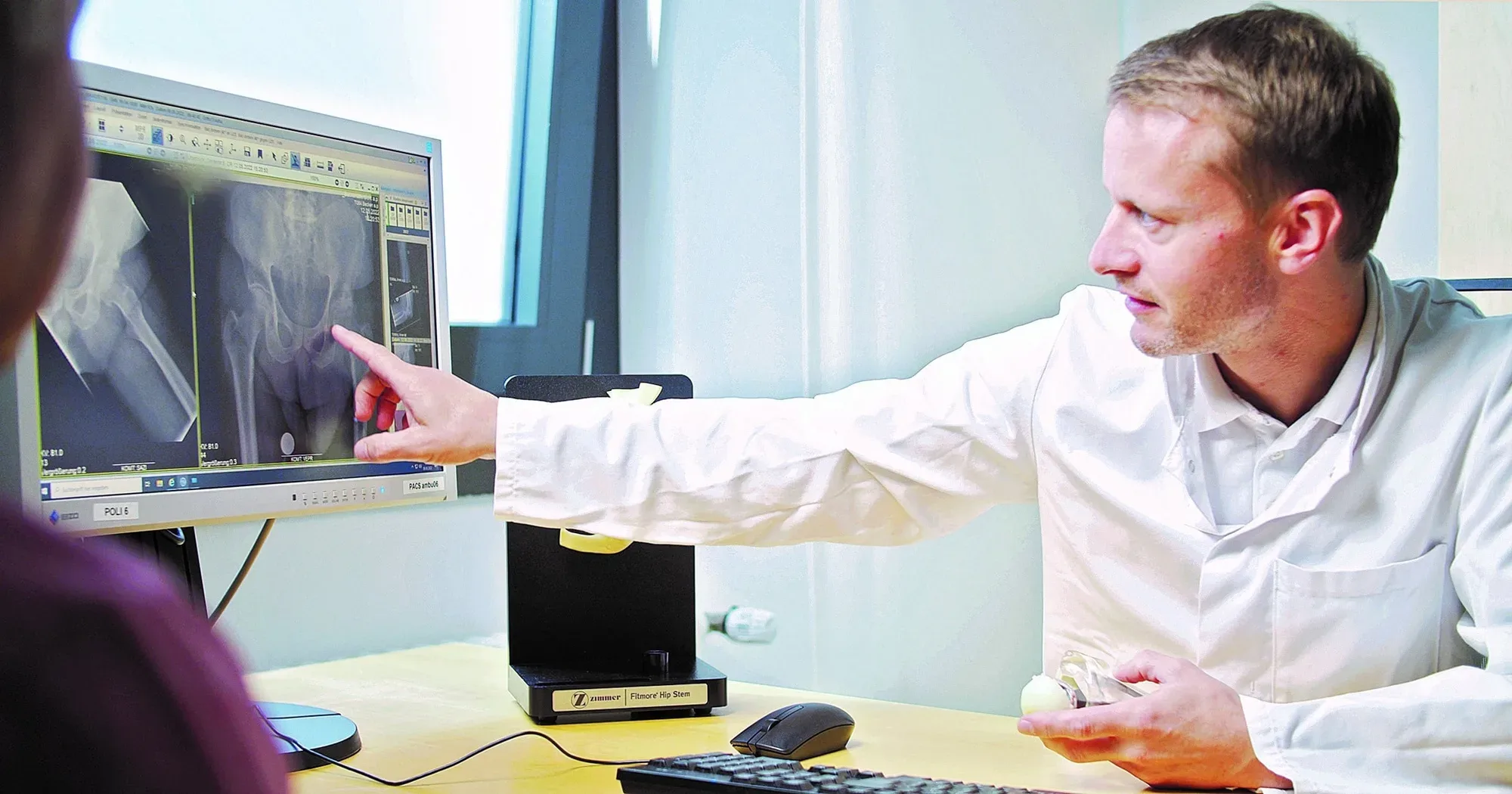
When conservative therapy is enough—and when surgery is needed
Start early when no acute structural damage exists. If pain remains high for months despite consistent treatment, function declines, or imaging shows advanced structural damage requiring mechanical correction, surgical evaluation may be necessary.
FAQ
Definition, duration, whether it can replace surgery, advantages, next steps if it doesn’t help
Please do not include medical reports or detailed information about your health in this form. We will be happy to discuss these with you in person or by telephone.